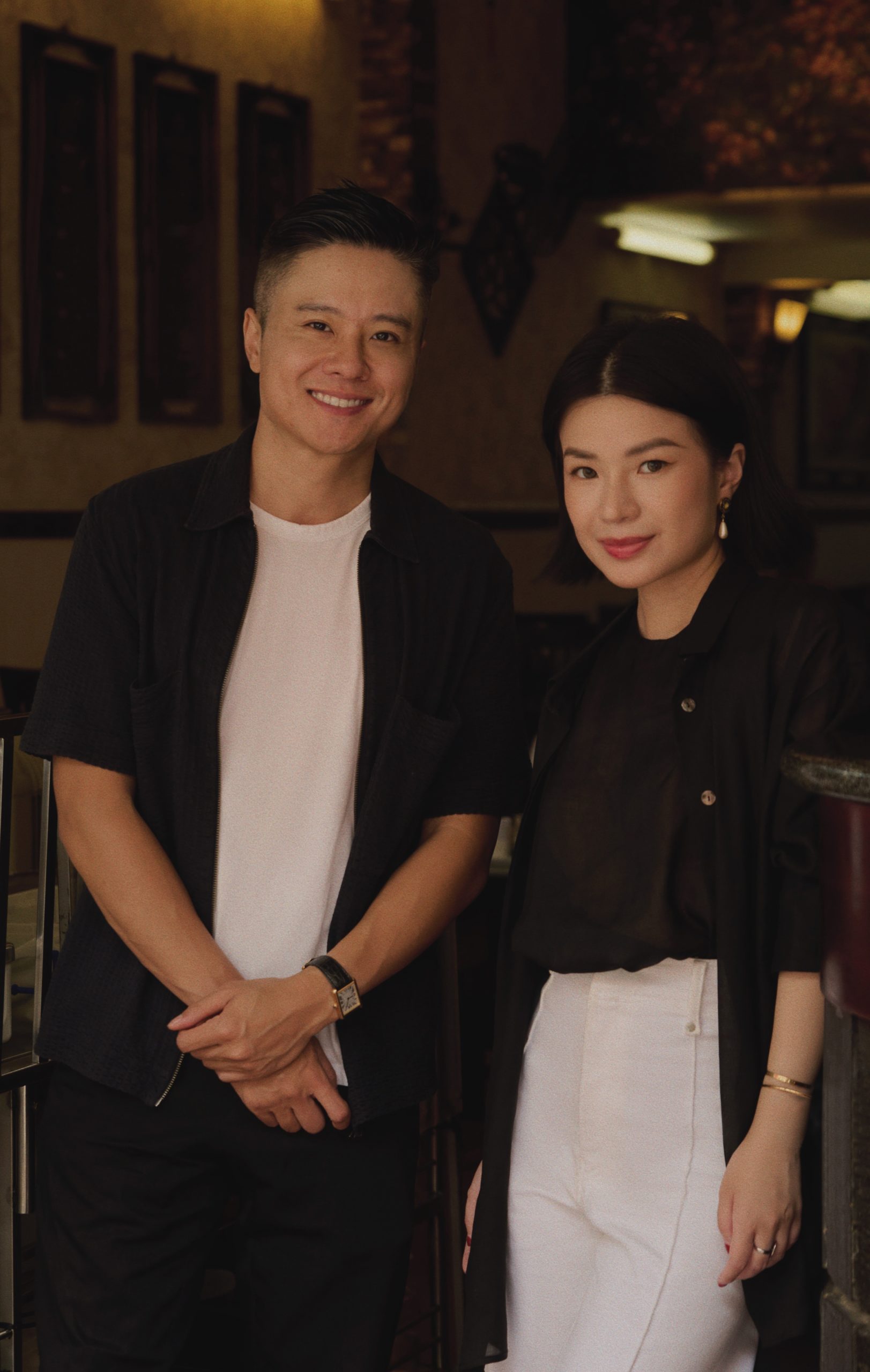
VENUE founders Thanh Nguyen and Daphne Pham
When most people think of Vietnam, their minds drift to fairly superficial places. Think rice paddies and pho. But behind these familiar tropes lies a rich cultural heritage waiting to be discovered… and bottled. We spoke with Thanh Nguyen, part of the founding team of the fragrance house VENUE, to understand how he’s translating Vietnam’s forgotten stories into scent. Together with partners Daphne Pham and Wayne Wu, they’re embarking on a new adventure through the medium of fragrance.
With roots in the music industry and a passion for world-building, Thanh and team approach fragrance creation not as a technical exercise but as storytelling. Combining film, music, literature, and history, through the lens of Vietnamese inspiration and global influences, each fragrance takes the form of a Scene, and comes complete with sound and visual elements. The brand resurrects places like Southeast Asia’s first country club, capturing moments through scent that history has overlooked.
Our conversation explores the intersection of heritage, memory, and sensory experience, revealing how fragrance can preserve cultural narratives in ways both intimate and universal.
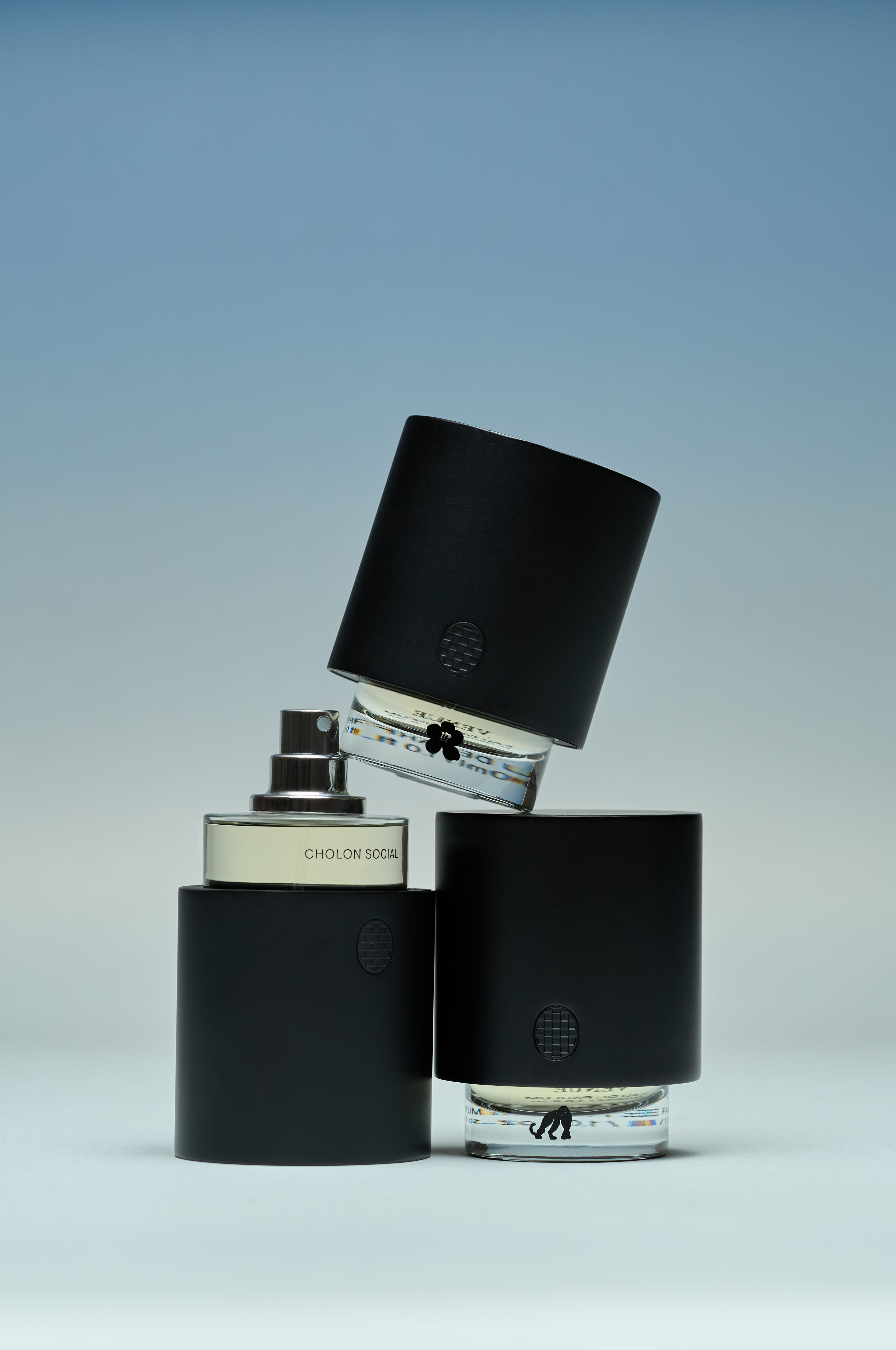
EDITOR’S NOTE: Since publishing this story, VENUE launched their debut collection, Vietnam’s Living Memory: Volume 01.
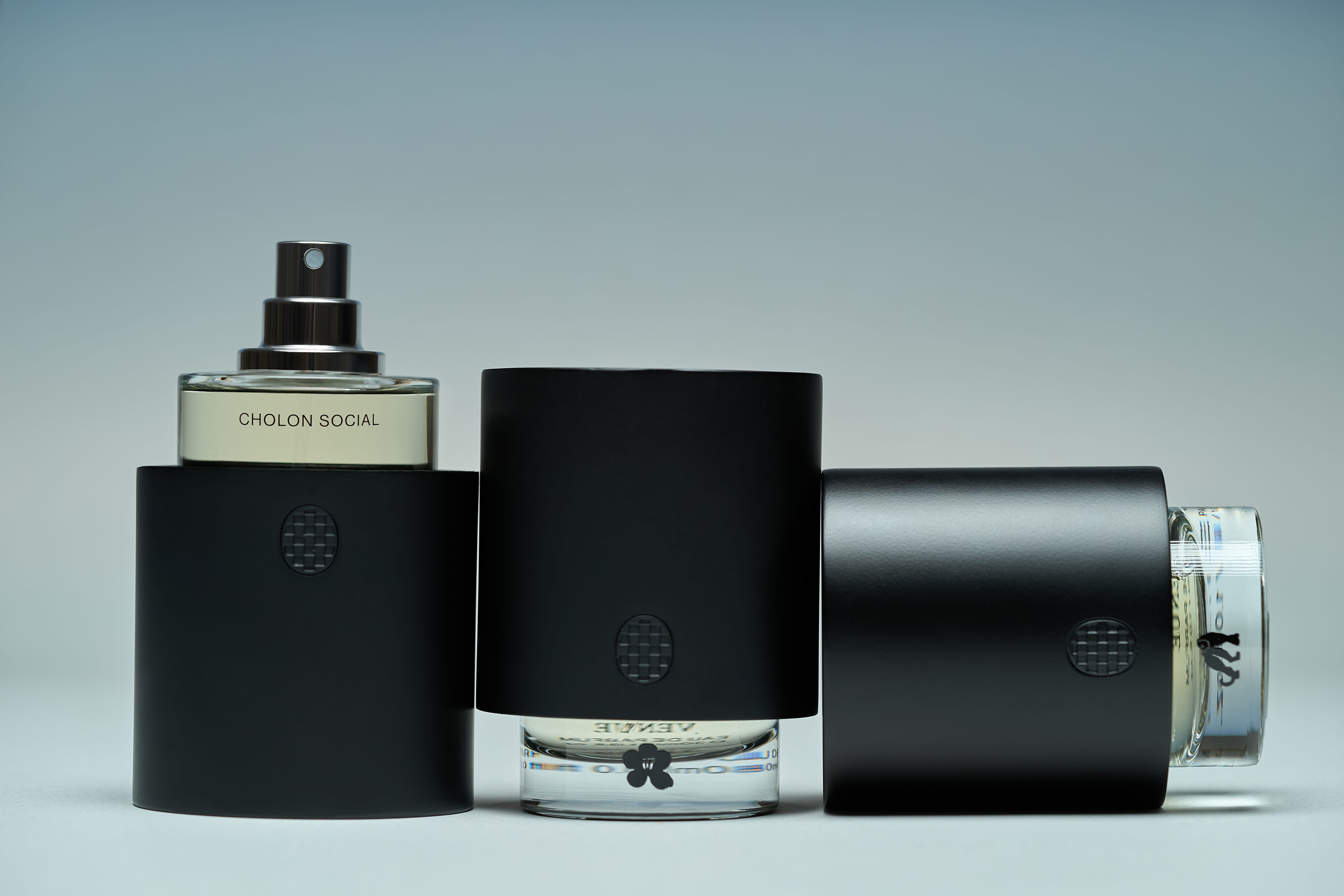
The collection is a trilogy of fragrances that draws from Vietnamese culture and reinterprets them with a cinematic lens. It is available now through VENUE’s online store and through select fine retailers in Paris, Los Angeles, New York, Taipei, and Tokyo.
How did you become interested in the fragrance space?
I have a co-founder who’s also my life partner. We met when I moved to Vietnam a couple years ago. She came from finance and was running Uber in Vietnam for a couple years until they sold to Grab. We met because we were both working at this corporate venture. The reason I came back to Vietnam in the first place was that when I was in New York, I got recruited to be a CMO for this corporate venture run by two local billionaires. One of them runs VinFast, Vietnam’s first manufactured car. The other runs the largest private bank in Vietnam. They wanted to build an Amazon-esque ecosystem that connected all of their businesses together.
We both knew we wanted to stay in consumer products, so we started exploring ideas together. One thing we had in common was that we were both big fans of Diptyque. As we dug into their story, we discovered that one of the three founders has strong connections to Vietnam.
Our desire was to build a consumer brand that represented our heritage, since we’re both from Vietnam. There’s an opportunity there because when most people think about Vietnam, they think about very typical Asian tropes like rice paddies, bamboo, pho, and coffee.
But there’s so much more culture in Vietnam that’s been suppressed. There’s this rich heritage that isn’t well known. When I started learning more about Diptyque, I discovered they have two scents that are based on Vietnamese places.
And because Diptyque is French, it gives those Vietnamese-inspired scents instant credibility and refinement, but the underlying stories are actually very Vietnamese. That’s where we felt like, “Hey, this is interesting.” We knew we wanted to do something that represented Vietnam in an elevated way. When we were exploring what type of product we’d be relatively good at creating, fragrance felt like a natural extension of my career beginnings in music, which is such a visceral industry.
“We think about the term ‘sense of place’ a lot. When you think about that country club… What woods were used? The Campari sitting on tables outside?”
— Thanh Nguyen, Co-founder of VENUE
Tell me more about your approach to fragrance creation.
Fragrance lends itself to ways you can unpack the particular idea you’re trying to convey. I like the opportunity to amalgamate different elements together. But I think what makes it interesting for outsiders like us creating fragrance is that we have a different interpretation of it.
It’s almost non-technical and it’s much more emotional in nature.
I feel there's a degree of accessible luxury with fragrances akin to wine tasting.
You can educate yourself on all these notes, but with fragrances, you can test and experience the best of the best bottles. You can't sample the most expensive bottles of wine.
From our standpoint as a newcomer, as a niche fragrance house trying to carve out a name for ourselves, we’re drawing inspiration from our heritage, which at a global scale doesn’t really have a recognized name yet. Vietnam isn’t known for luxury the way France is. Vietnam isn’t known for craftsmanship. I think when most people think about Vietnam, they still primarily think about the war.
But I think that’s changing now. Vietnam tourism is growing. It’s opening up and people are starting to see it as a bit of a final frontier for adventure. So I think that benefits us in terms of how we want to position our brand.
What have you done to bolster or promote the Vietnamese story?
For us, it’s about specific stories within these fragrances.
For example, our current fragrance doesn’t really have anything to do with Vietnam at all, it was just our entry into the market. Granted, we’ve had some activations here in Vietnam.
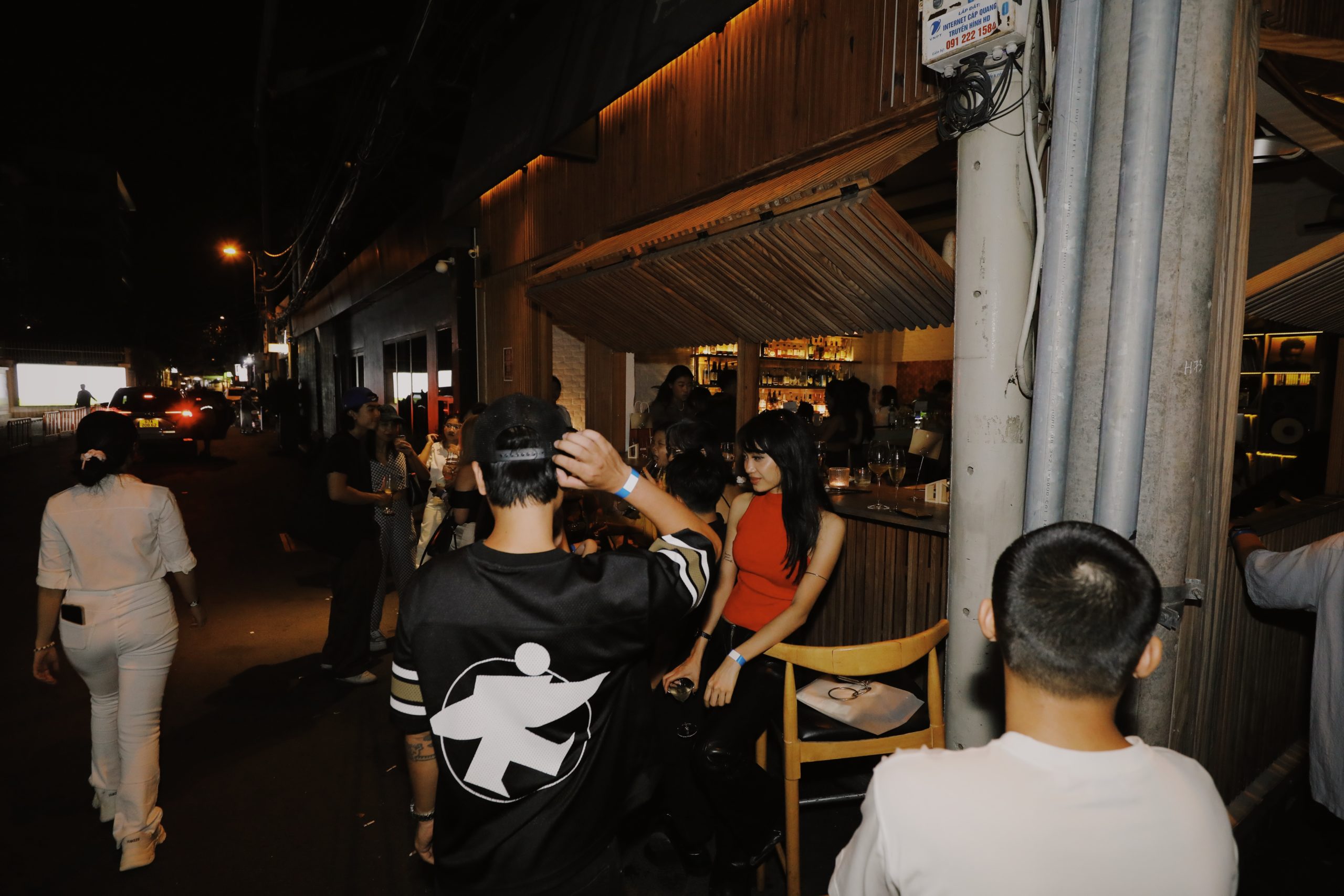
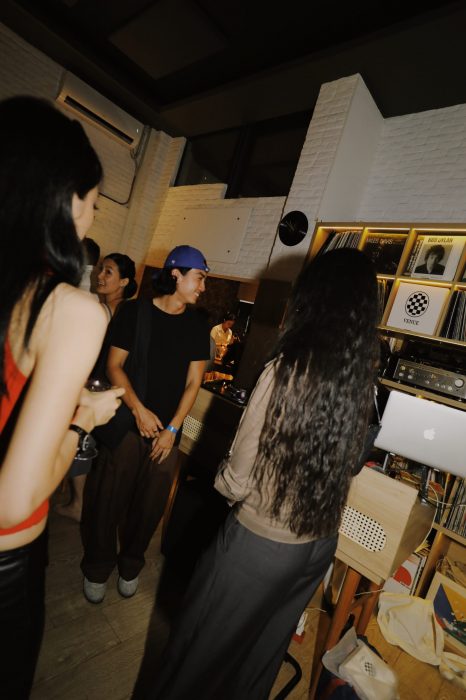
We’ve engaged people from what I consider the creative class to start building around the ideal of Venue. We’re also working with probably the first Vietnamese multi-label retailer in Saigon. Think of them like a Dover Street Market or SSENSE.
They’re one of the first full-on retail stores focused on curating local Vietnamese brands. That’s really part of the macro story, and it’s helpful because you get a lot of tourists coming through looking for local items. Right now, Vietnam fashion is having a moment.
It’s probably not fashion that you and I would personally be into, but it’s things like Fancy Club and that very Y2K internet aesthetic—the “brat” aesthetic like Charli XCX. That’s having a moment right now, and people (especially young women) are actually coming to Vietnam specifically to shop for that kind of stuff.
Vietnam is becoming a major destination for thrifting in some ways with people looking for rare items and things like that. I think we’ll benefit from some of that macro attention.
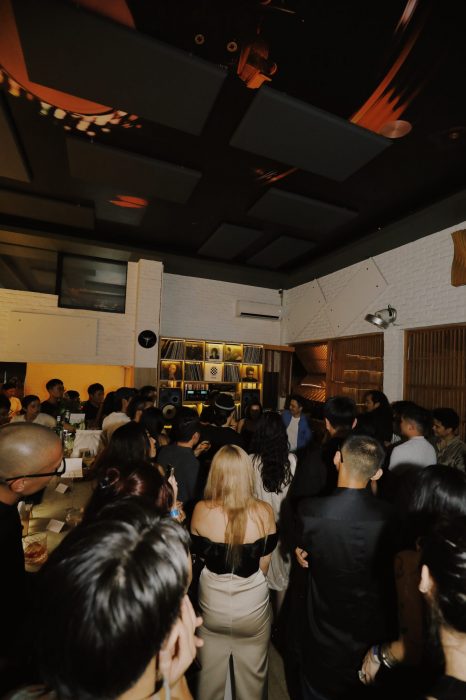
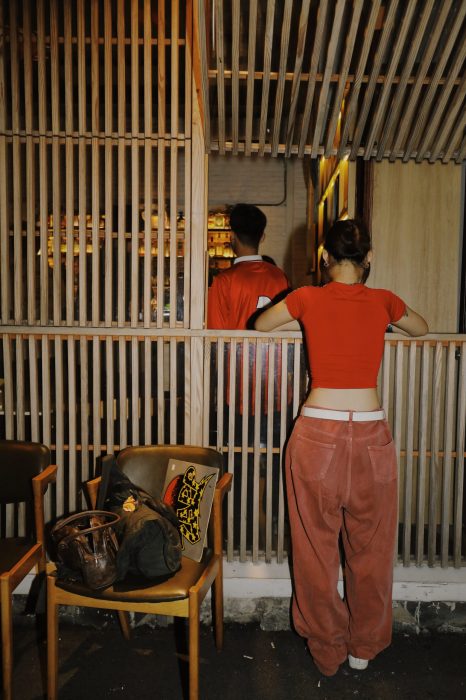
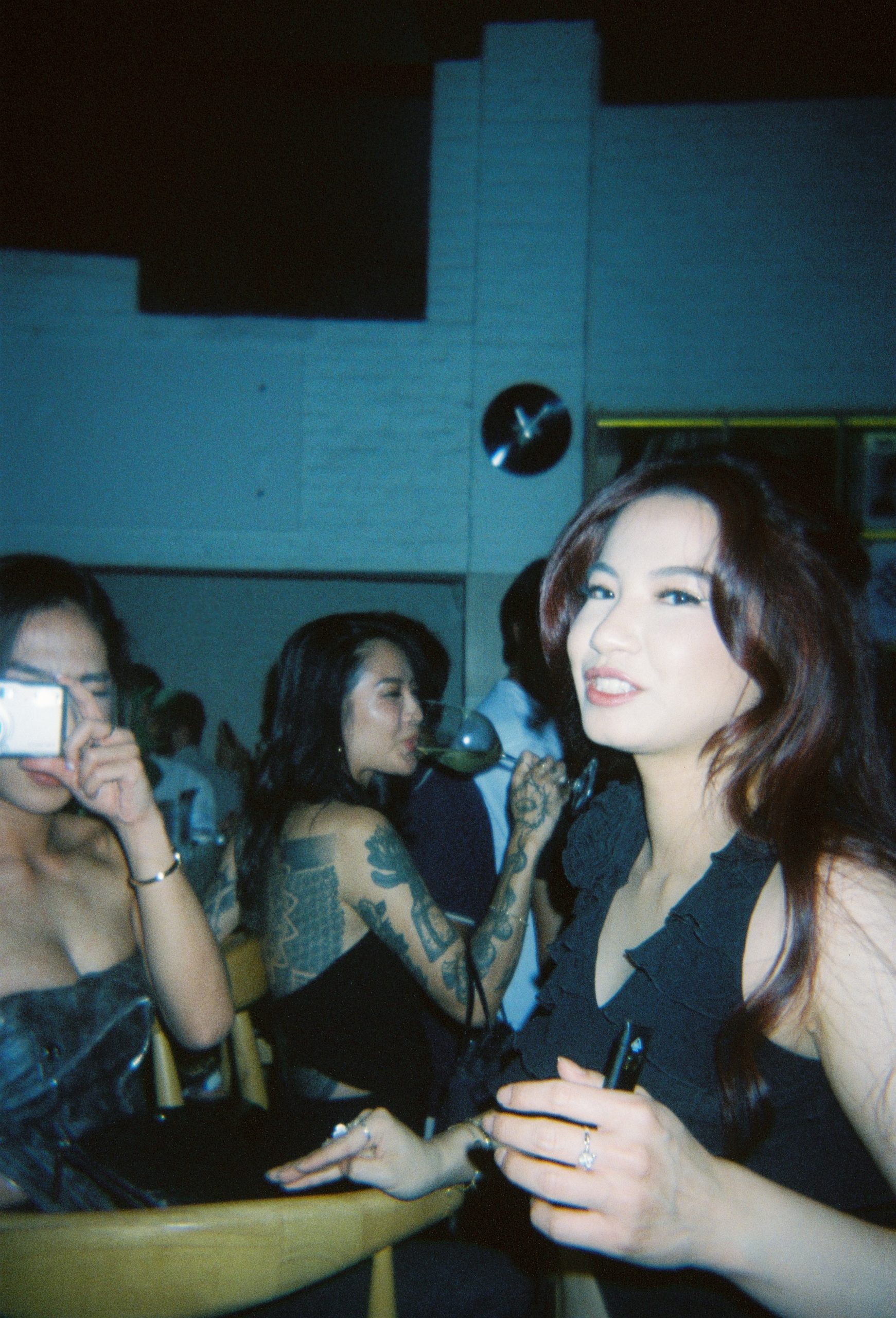
The first three scents we’re going to release are based on real places in Vietnam that have been largely forgotten because people don’t talk about them. For example, we’re highlighting a sports club that was a country club in Saigon pre-1975. It was Southeast Asia’s first country club, where people played tennis and had Olympic-sized gyms and swimming pools.
Those are just relics that we’re trying to resurrect.
how do you deconstruct a moment or feeling into a scent profile?
I think a lot of it has to do with how you would imagine a travel brand talking about a destination and how do you describe a room or a place.
In the context of fragrance, we think about the term “sense of place” a lot. So when you think about that country club, what does the room look like? What woods were used? The cane chairs, the Campari sitting on tables outside?
The lighting, the leather chairs… You become almost like an archivist. You start cataloging all these elements. Since we’re talking about real destinations, we’re looking at old archival photos and relics such as letters from the governor writing to various club members.
You start to fantasize about what a day would look like at this place. Then my process is actually to write it all out. When we were developing Venue, I had just been reading Gus Van Sant’s autobiography, the American director who made films like “Good Will Hunting” and “My Own Private Idaho.”
He has such a distinct aesthetic in his filmmaking, and he often shoots in 35mm. There’s this very intimate, humanistic quality to his storytelling, and his films are always centered around conflicts within the human experience.
That’s his approach to filmmaking. I always loved his work because it felt very humanistic.
The way we approach scent is similar. We’re trying to romanticize this country club for someone who has no idea what it is.
How do we make them care about it? How do we present it in a way that feels interesting, while also providing emotional and historical depth they can explore if they want to?
Ultimately, my process is to write it as a brief and like a scene. If I were directing that scene at that particular club, I would describe every single detail meticulously, then give that to the perfumer and let them walk into that imagined space.
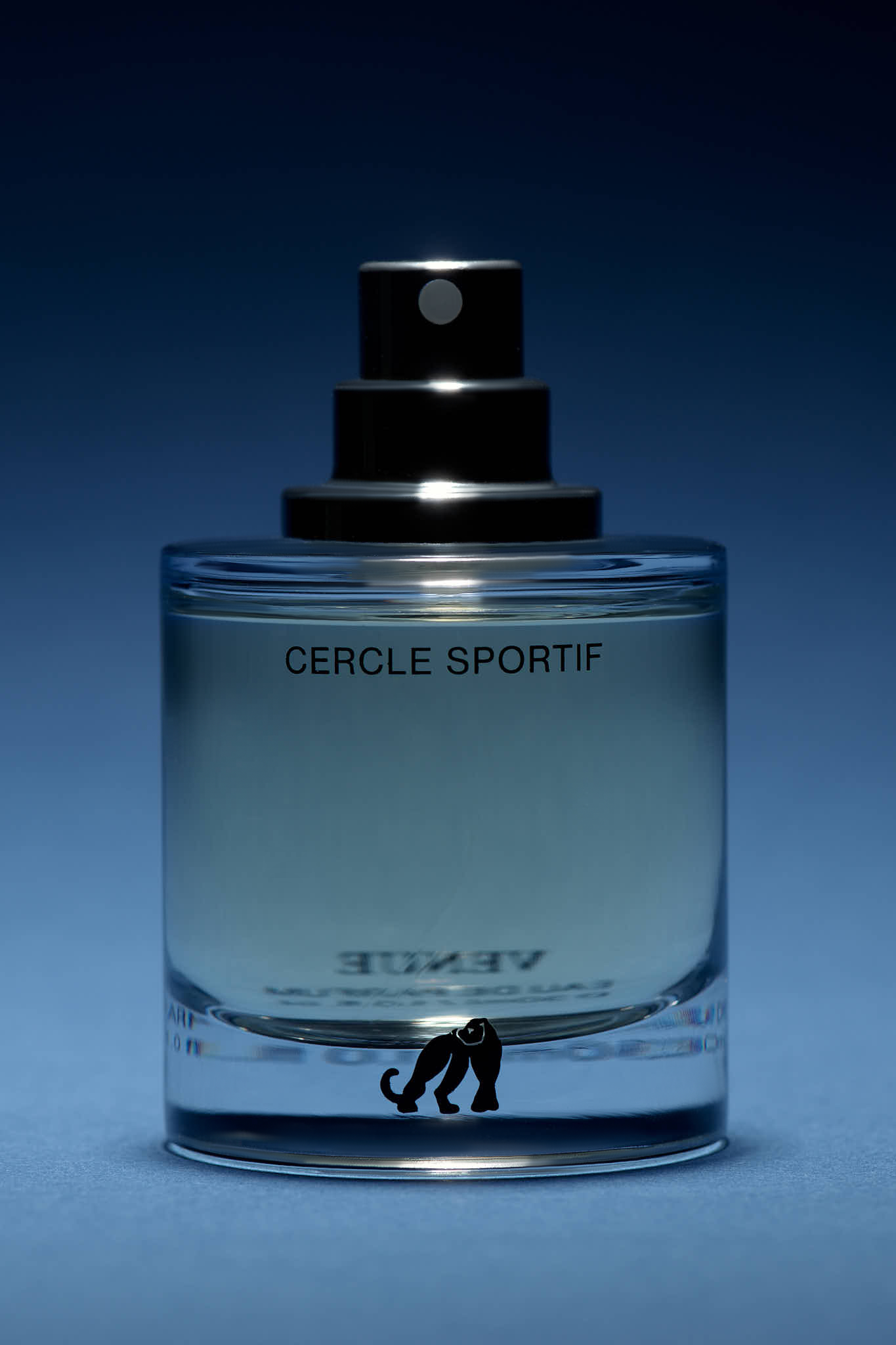
A prototype of a VENUE cap and bottle.
I'm fascinated by how you're taking creativity from one domain and applying it to another—in this case, fragrance.
It feels really natural because it’s fundamentally about world-building. When I was working in music, I was thinking about the attitude of the listener, the attitude of a particular record, or the recording artist’s point of view. You’re figuring out what they’re trying to represent to thousands of kids listening to their music. To me, it’s not any different when thinking about these scents or places I’m trying to romanticize or convey to get people excited about them.
It’s the same process. How do I shorthand enough of the nuances so that people can connect the dots themselves, but infer it in a way that feels ownable to them. That’s always the challenging part: how much do you overexplain, how much do you need to be prescriptive or preconceive certain elements?
The challenge with creative work is finding the right pieces to fit together, while assuming your audience is intelligent enough to form their own interpretations.
Let's talk about how fragrance can mark a specific time and place.
Yeah, Santal 33 specifically. There was a moment when that scent became synonymous with a particular persona in Soho. At the time, we were at Glossier, working out of the WeWork off of West Broadway. It was prime Soho, West Broadway, right next to the Ralph Lauren store. It was very quintessential and it had that moment marked a time, the way art might decorate a room. For me, scent in that particular time would decorate a period or a location within the city. That’s what’s so fascinating about scent to me.
do you think fragrance is susceptible to becoming "played out" in some ways?
Yeah, for sure. But fragrance has the benefit that fragrance houses typically create many scents, not just one or two. I talk about Diptyque a lot because I’m very inspired by them. One thing I appreciate about them is that they keep scents that don’t do commercially well.
They make this deliberate decision because these scents become deeply personal for certain people. Maybe only a handful of people buy it, but it becomes part of their identity forever. Unlike the cyclical nature of fashion, my dad has been wearing the same Cartier Declaration scent for the last 30 years.

I really resonate with what you said about world building. have you found it hard to balance how you actively build yours and giving the community freedom to define how they want to judge the brand?
This is something we wrestle with, because as a small brand that’s just starting to establish itself. We think about how much content we need to create. Content is table stakes at this point, but if I’m building a business like Glossier, content is the lifeline of the business.
But I’m trying to build a fragrance brand where everything is tangible. People might get a vibe from seeing a post, but they still need to experience it.
Part of the world-building we think about is how much direction we need to provide. As a brand, we need to be very direct in that early phase of world-building.
I don’t think it’s the apparel playbook where it’s based on one creator who gets into running, builds a running community, and everyone becomes a runner. It’s more traditional in the sense that you’re building something you prescribe for the audience to step into.From there, you think about ways of engagement.
Maybe we just create something immersive. One of the advantages of being in Vietnam is that I can do things much more cost-effectively in terms of buildouts and installations.
I can rent a gallery space and create an experience that would cost four or five times as much if I were to do it in Soho (New York). We get more mileage with our resources here.
I think there’s an opportunity to approach our launch or retail experience differently and do a month-long exhibit that brings these scenes to life. We could incorporate the historical elements with paid actors and create a truly immersive experience with a playwright mentality. We can’t scale it to thousands of eyeballs, but it gives us a foundation that, over time, if done consistently, becomes part of our brand DNA.
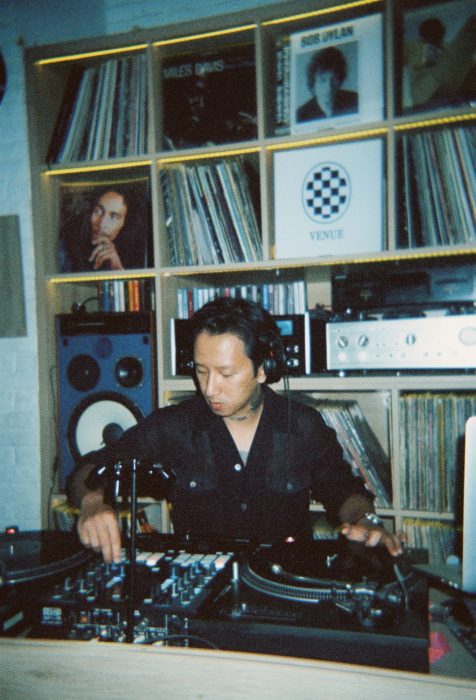
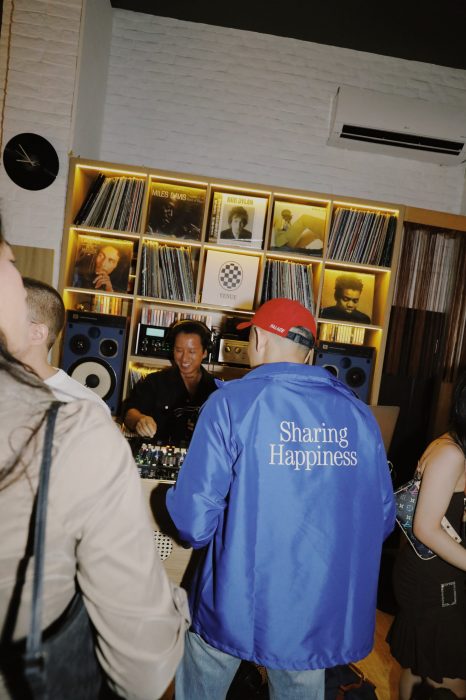
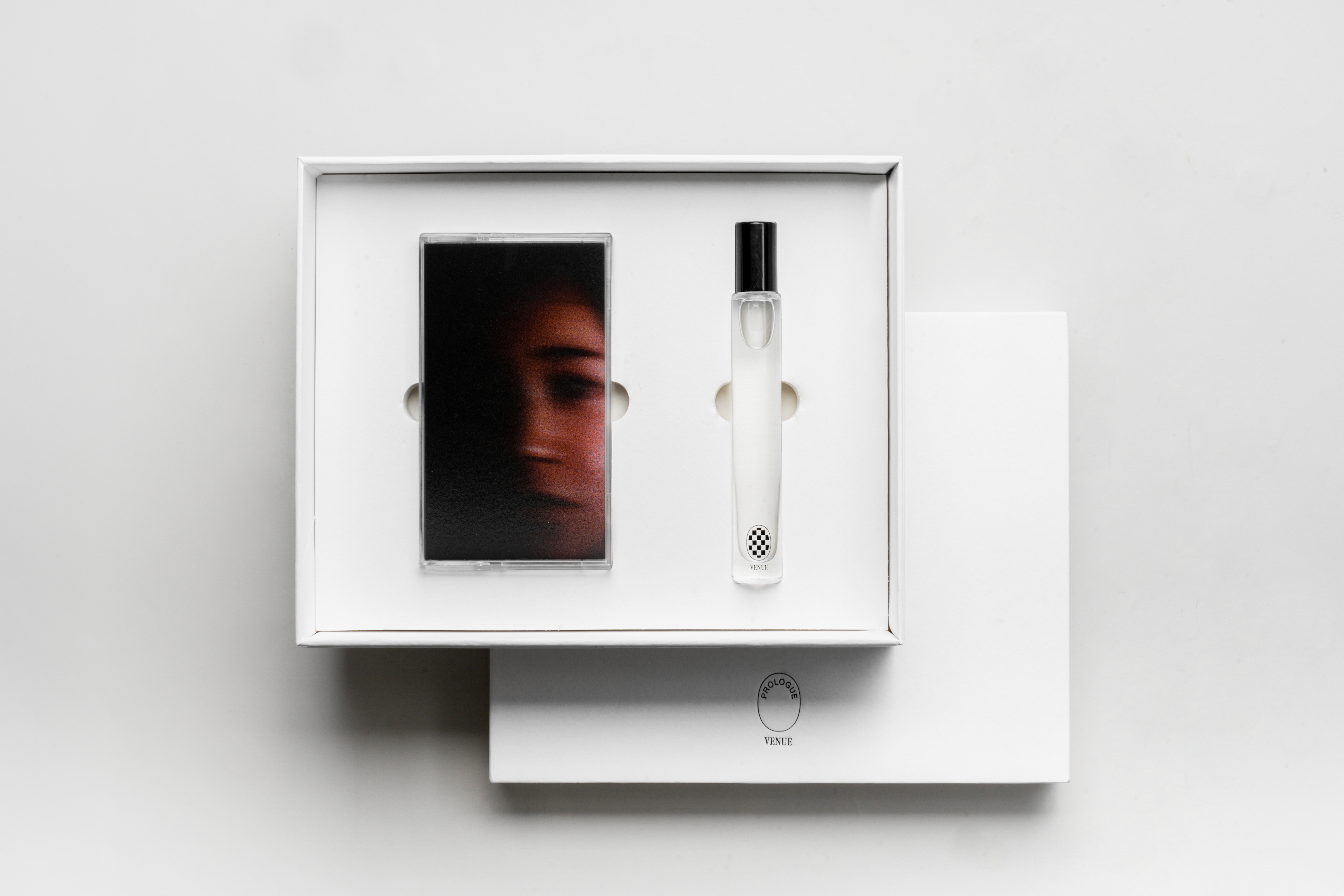
music is clearly a big component since your first kit came with a cassette tape. How do you see the relationship between music and fragrances?
Music is personal for me, and given I spent time in that space, I see it as something critical to Venue. It’s just another medium to connect the dots and make something come alive.
How do you find a way for scent and audio to sit together and have a relationship? Prologue may sound very different to you than it does to me.
To your point about relinquishing some of the world-building to the community, that’s an element you can do very authentically. When I think about Prologue, when I smell it, I immediately think about shoegaze music.
That’s why I had a lot of the shoegaze records on that tape. I think about Slowdive (English shoegaze band) that was the first thing that came to my mind. And that may be different for you. You may be thinking about something completely different.
What did you think it would be like to start Venue and what has been the reality?
I knew it would be super tough. It’s just very competitive. You’re vying for people’s attention and we’re not starting something where people can just experience it. It has to sit with them. It’s a much longer customer journey.
If you think about it through marketing terms of a funnel, maybe they smell it, then leave the store, and it lingers with them until two weeks later when they think about it again.
There are so many people doing fragrances, so how do you make yours stand out?
The one thing that I realized to be true is that you just have to do it at your own pace. Because when I look at a lot of brands that I admire like the Aesops, these are like 30-year-old brands. They’ve been around forever. And you forget sometimes because they had so much growth in the last 10 to 15 years.
What I found in common among many of these founders is that they afforded themselves the ability to stay true to themselves.
And that’s something that we hopefully get the opportunity to continue doing. We know that we’re not going to be for everyone. And there’s something really liberating about that—you’re making something that’s authentic to your vision.
“Our desire was to build a consumer brand that represented our heritage, since we’re both from Vietnam. There’s an opportunity there because when most people think about Vietnam, they think about very typical Asian tropes like rice paddies, bamboo, pho, and coffee.
But there’s so much more culture in Vietnam that’s been suppressed. There’s this rich heritage that isn’t well known. When I started learning more about Diptyque, I discovered they have two scents that are based on Vietnamese places.”